Acompañamiento individualizado para preparate a un tour geoloogico, y rrecorrido turistico.
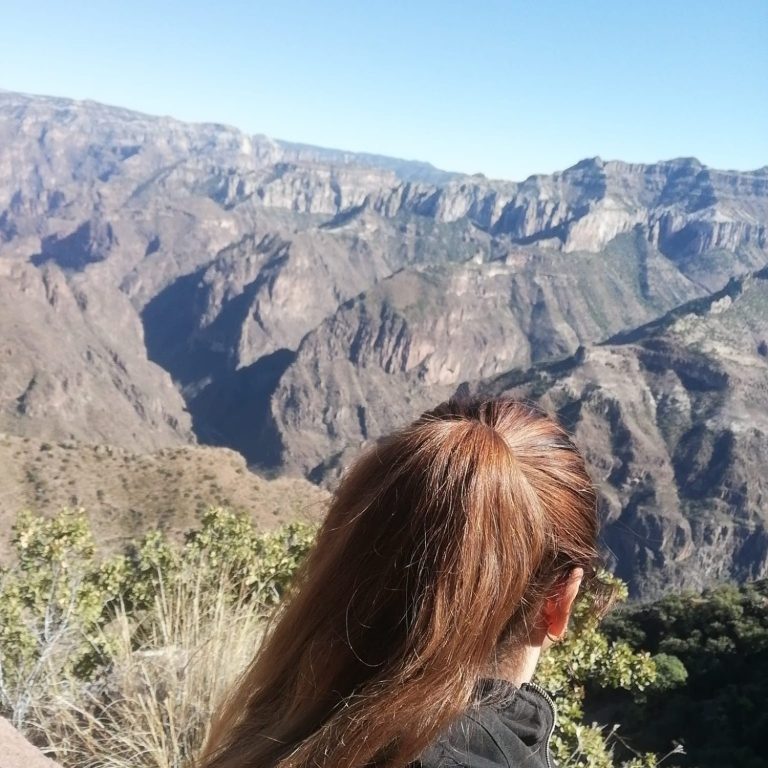
Tour geologico
hacemos tour y este se hace cada 3–4 meses
Barrancas del Cobre _______Fecha 15 de Junio
Grutas de Tolantongo_____fecha 15 de Abril
Celestum _____________Fecha 15 de Diciembre
Precio: $400 USD por persona
Tour Geologico
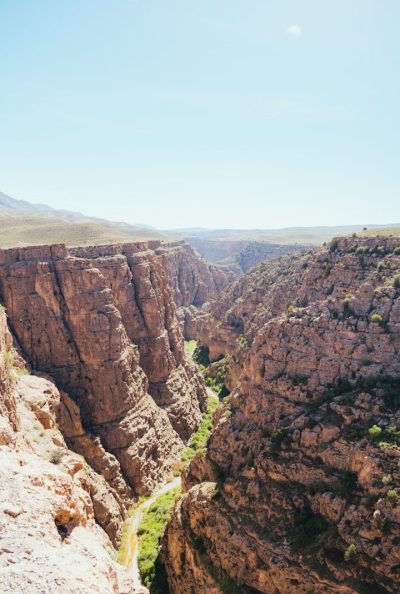
Lugar: Las Barrancas del cobre
Es un gran cañon muy grande ya que se componen con un impresionante sistema de cañones en la Sierra Tarahumara de Chihuahua, México, más grandes y profundos que el Gran Cañón de Arizona, famosos por sus tonos cobrizos, la cultura Rarámuri que las habita y el icónico tren Chepe Express que las recorre, ofreciendo paisajes espectaculares, actividades de aventura y la oportunidad de conocer a los Raramuris, se encuentra en Chihuaha, recorreremos por un viaje que nos lleva de Chihuahua hasta legar a Creel, para abordar el tren Chepe, para llegar desabordar en el Fuerte y llegar hasta Sinaloa.
price $180 USA

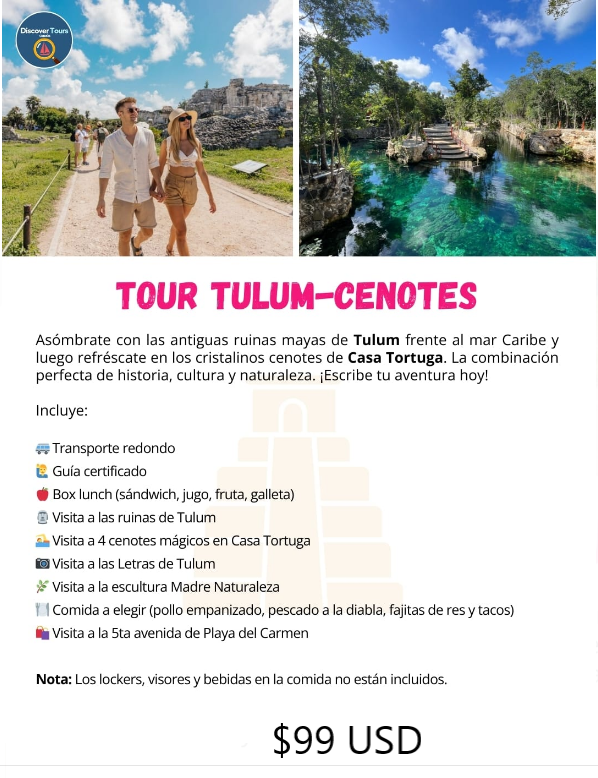
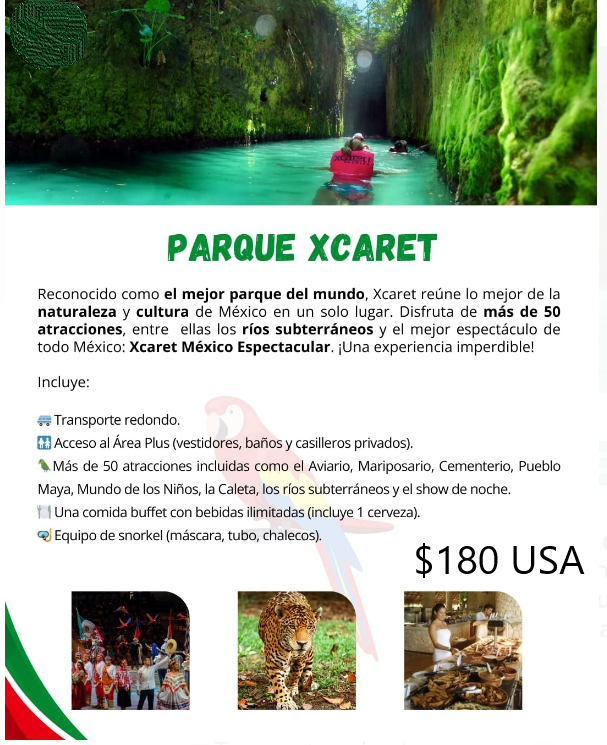



Grupos reducidos a partir de dos personas
Ideal para grupos que desean practicar yoga en un ambiente íntimo y compartir experiencias en común. Ofrecemos opciones flexibles y en diferentes lugares. Además, contamos con programas especiales para eventos, como despedidas de soltera.
Por otro lado, la práctica de yoga como iniciativa de promoción de la salud en el lugar de trabajo fomenta el bienestar, reduce el estrés y mejora la concentración en el entorno laboral mediante ejercicios específicos, la relajación y la meditación.
ESCT
La escuela de idiomas
English, Spanish school and Tours
te ofrecemos una de las experiencias
más inolvidables de tu vida!
Extranjeros que viven o viajan a México.
Profesionales (ingenieros, viajeros, estudiantes).
Adultos A1–B2 que buscan constancia y estructura.
Empresas pequeñas que quieren clases para su personal.
Disfruto transmitiendo mis conocimientos a otras personas para que gocen de una vida mejor. Mi pasión es ayudar a los demás y apoyarles en su camino.
¡Om shanti

A special course for you
Spanish, or Castilian, is a Romance language spoken by over 600 million people, making it the second most spoken native language in the world. Official in 21 countries (mostly in Latin America and Spain), it is a rich and diverse language with regional variations (such as Mexican or Peninsular Spanish), and is internationally recognized
The term "Spanish" is preferable because it is unambiguous and is the internationally used term (Spanish, espagnol, Spanisch, spagnolo, etc.). Although also synonymous with "Spanish," it is preferable to reserve the term "Castilian" to refer to the Romance dialect that originated in the Kingdom of Castile during the Middle Ages, or to the dialect of Spanish currently spoken in that region. In Spain, the name "Castilian" is also used when referring to the common language of the State in relation to the other co-official languages in their respective autonomous territories, such as Catalan, Galician, or Basque.
Differences between Latin American and European Spanish: Grammar
What are the differences in diminutives?
Diminutives are a grammatical feature used to indicate size, affection, or sometimes contempt or irony. They are formed by adding certain endings to Spanish words.
In Latin America, the use of diminutives is more common, and they have the following endings: -ito, -ita, -ico, and -ica. However, in Spain, especially in the region of Andalusia, the use of diminutives is infrequent, and when used, they use the ending -illo. For comparison, let's use the following word as an example: pan (bread). In Latin America, the diminutive of pan can be panito or pancito depending on the country, but in Spain, the diminutive is panecillo. These endings can be applied to almost anything, from nouns to adjectives in Spanish.
What is voseo?
Voseo refers to the use of the pronoun “vos” instead of “tú” as the informal second-person singular pronoun. “Vos” is heard in certain regions of Latin America, such as Argentina, Uruguay, and Paraguay. The use of “vos” is characteristic of informal speech. However, most of Latin America and Spain use “tú” as the informal singular second-person pronoun.
Other Grammatical Differences in Spanish
Another difference between Latin America and Spain lies in the pronouns “vosotros” and “ustedes.” In Latin America, only “ustedes” is used, while in Spain, the difference is maintained in the plural: “vosotros” for informal use and “ustedes” for formal use. For example:
In Spain: ¿Vosotros tenéis ganas de salir?
In Latin America: ¿Ustedes tienen ganas de salir?
The two continents also differ in their use of the past tense. For example:
In Spain: Hoy no he desayunado.
In Latin America: Hoy no desayunaé.
Puedes pedir el vale que desees por e-mail: